
Fall is one of the best times of year in the landscape. As temperatures cool and summer begins to fade, many plants put on one final show before winter arrives. While trees are often the stars of the fall landscape, there are plenty of shrubs and perennials that can add color and interest at different levels throughout the garden. By choosing plants with fall interest in mind, you can create a landscape that changes throughout the seasons and really comes alive in autumn.
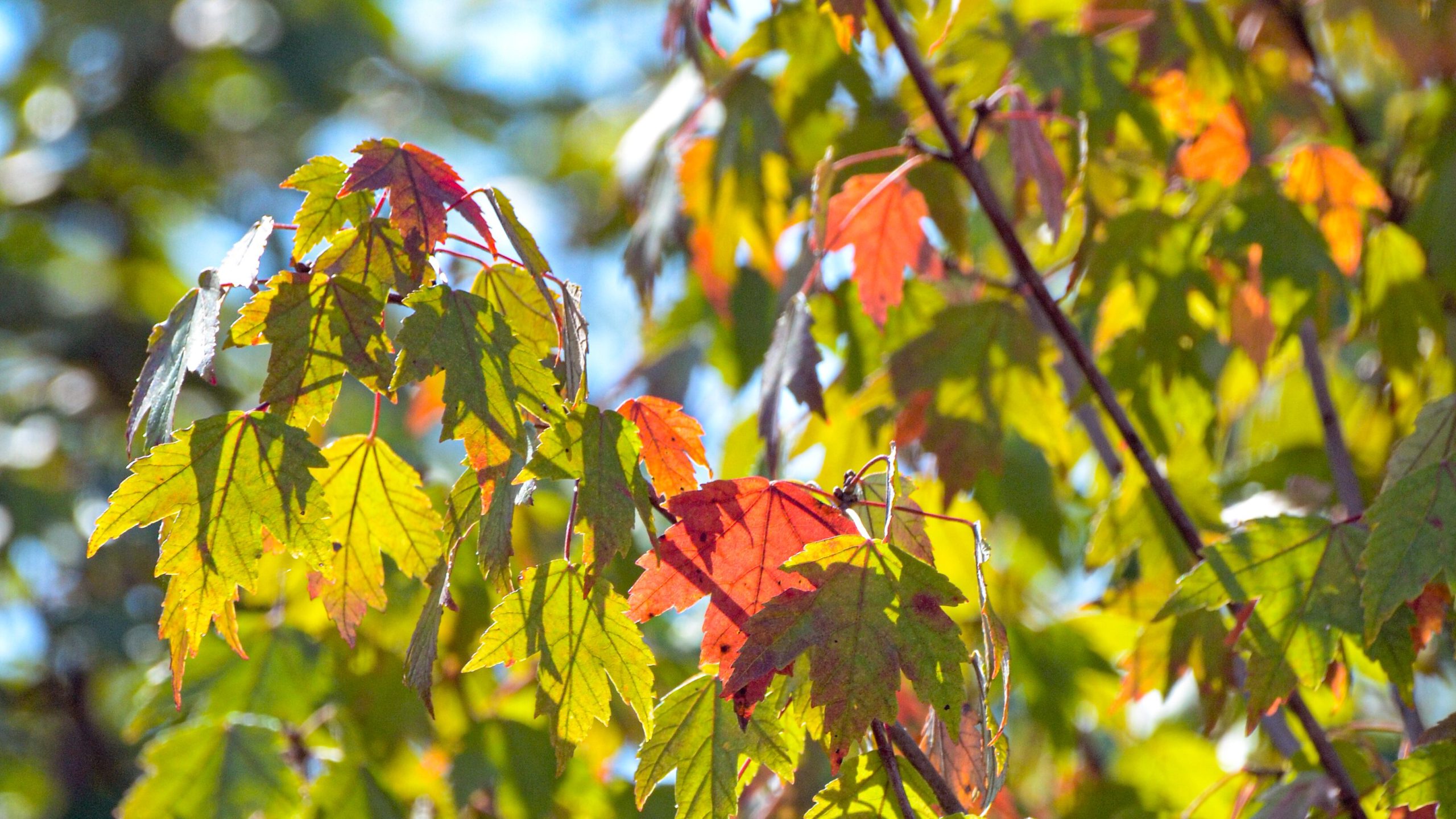
Here are five of my favorite plants for adding fall color to the landscape:
1. Sugar Maple: Few trees put on a more impressive fall display than the Sugar Maple. Its leaves can transition through shades of yellow, orange, and brilliant red, often creating a spectacular focal point in the landscape. Sugar Maples are large, long-lived trees, so they are best suited for properties with plenty of room to accommodate their mature size. Beyond their fall color, they provide excellent shade and a strong structural element that will anchor a landscape for decades.
2. Fothergilla: Fothergilla is a great example of a shrub that can provide interest well beyond its spring flowers. In spring, it produces unique bottlebrush-like white flowers, while its blue-green foliage provides a nice summer presence. Come fall, those leaves can develop into a mix of yellow, orange, and red. Its relatively compact size also makes Fothergilla an excellent choice for planting beds where a large tree simply isn’t an option.
3. Ginkgo: The Ginkgo is a unique tree in almost every season, but fall is when it really stands out. Its distinctive fan-shaped leaves turn a brilliant golden yellow before dropping, often seemingly all at once. Ginkgoes also offer an interesting architectural form and can work well as a specimen tree. When selecting one for your landscape, be sure to choose a male cultivar, as female trees can produce fruit with an unpleasant odor.
4. Sedum: Fall color doesn’t have to come from trees and shrubs. Sedum, particularly taller varieties such as ‘Autumn Joy,’ can provide beautiful late-season interest at the perennial level. Their flower heads begin the season in shades of pink and gradually deepen to copper and bronze as fall progresses. Even after flowering, the dried seed heads can remain attractive into winter, giving the garden additional texture.
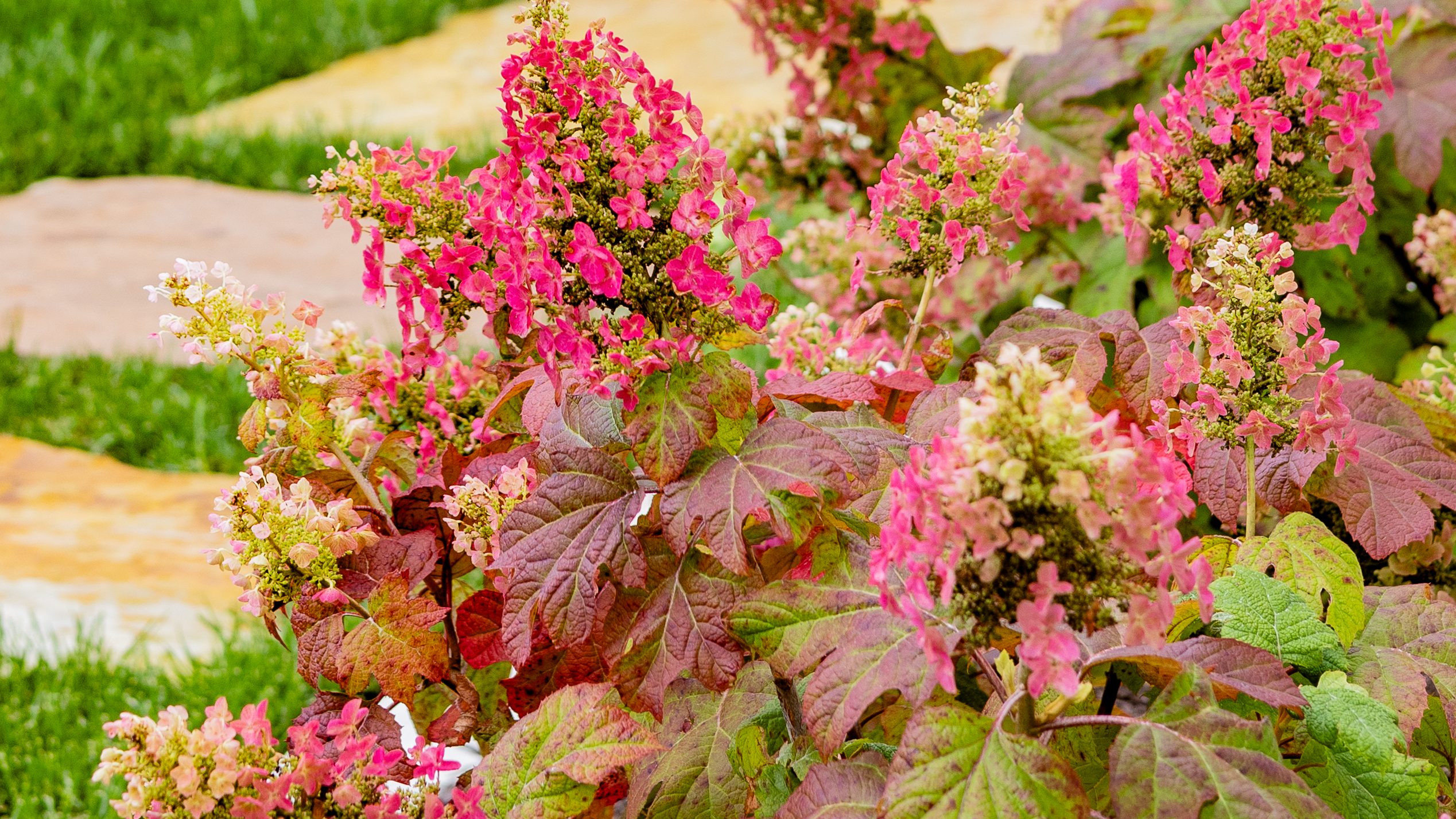
5. Oakleaf Hydrangea: Oakleaf Hydrangea is one of my favorite shrubs for providing multiple seasons of interest. Its large, oak-shaped leaves turn rich shades of red, burgundy, and purple in fall, while its exfoliating bark and dried flower heads continue to provide winter interest. It also produces large white flower clusters during the summer, making it a plant that continues to earn its place in the landscape long after its blooms have faded.
When designing a landscape, it is easy to concentrate on how plants will look in spring and summer but fall deserves just as much consideration. Incorporating a combination of trees, shrubs, and perennials with strong autumn color can create a landscape that feels intentional and interesting throughout the entire year. A little planning during the design process can make a big difference when fall arrives. Talking to the staff at Superior Garden Center or hiring a qualified designer is a great way to get guidance on your plant selections.