
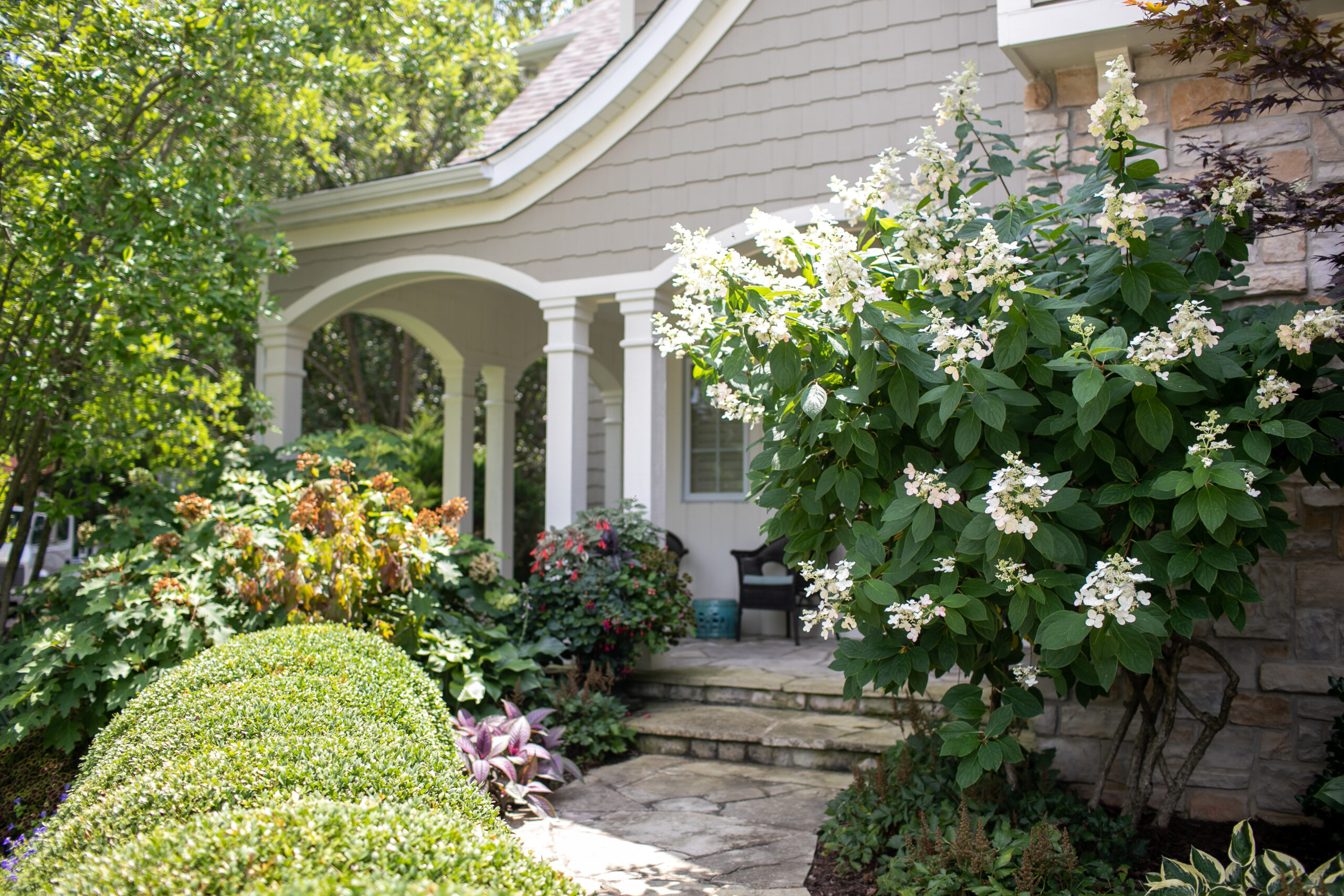
The world of Hydrangeas may seem overwhelming but really, there are just 4 common types of hydrangea. Each one has specific pruning, watering, and sun requirements and have varieties that come in a range of sizes and colors that we’ll discuss today.
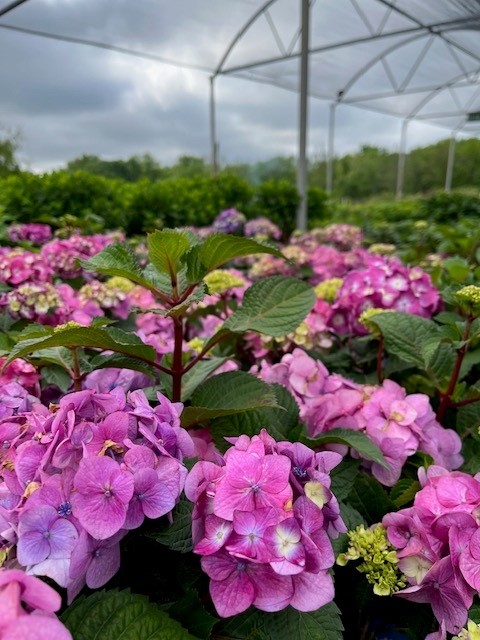
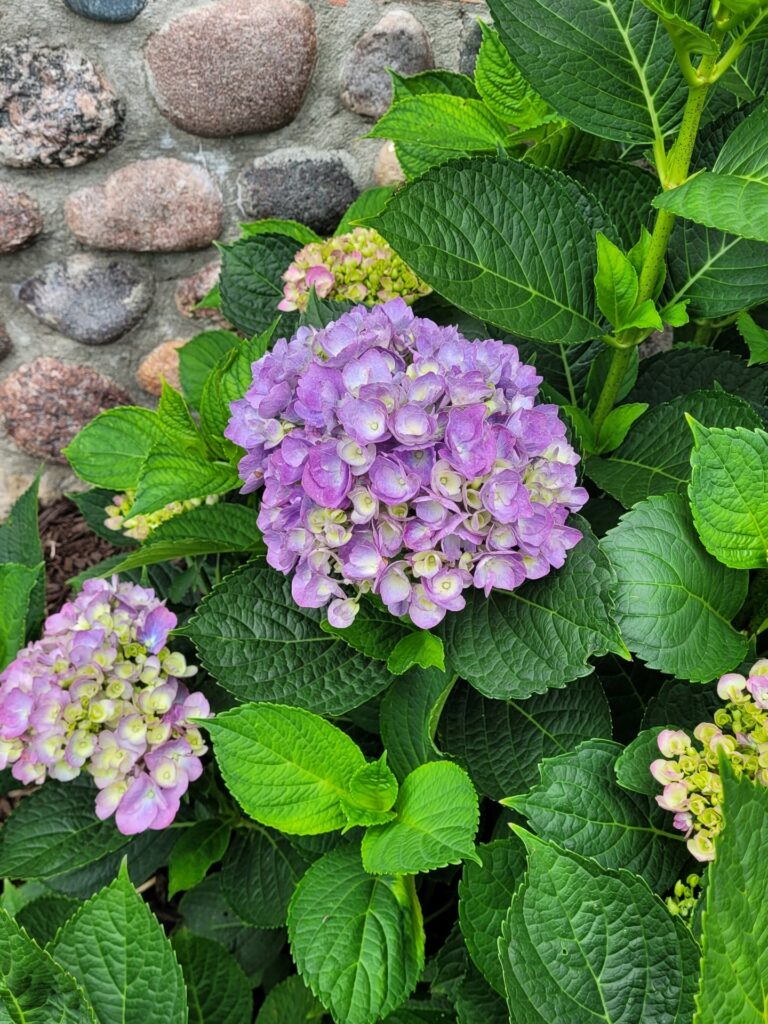
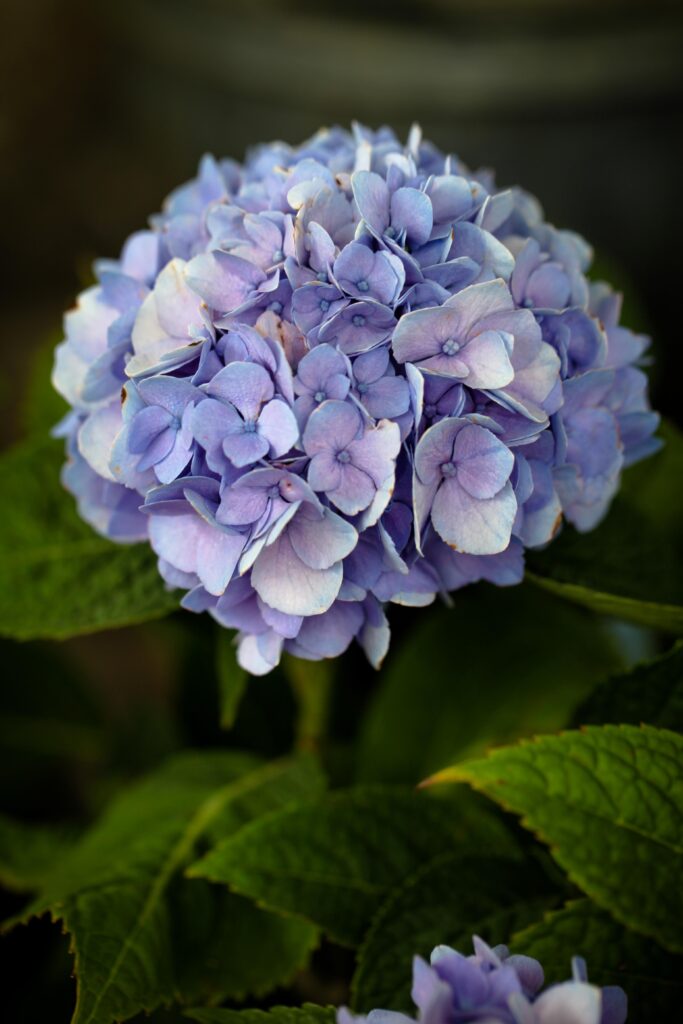
Big Leaf Hydrangea (Macrophylla)
- This is the classic hydrangea that your grandma likely had. They get their name from having a literal Big leaf that is round and thick.
- These hydrangeas (which include varieties such as Summer Crush, Eclipse (New)) have high water requirements and need to be in full shade with no afternoon sun.
- In late Spring or early Summer, you’ll have big round mophead bloom in pink, blue, purple or white.
- Fun Fact: PH levels of the soil determine the bloom Color, so keep that in mind that it might change once you plant it in your soil. There are fertilizers that add acidity to the soil so you can control it fairly easily.
- Fun Fact: PH levels of the soil determine the bloom Color, so keep that in mind that it might change once you plant it in your soil. There are fertilizers that add acidity to the soil so you can control it fairly easily.
- These bloom on old wood, meaning they set their buds on last year’s growth in the fall.
- Because we don’t want to trim off any of those potential flower buds, Big Leaf hydrangeas shouldn’t be pruned until after they have filled out with new growth in late spring. Then you’ll only need to trim out any winter dieback.
- Unfortunately, if we get a late spring frost, it could zap some of those tender Spring buds. Then you’ll have little to no blooms for the year.
- They have developed several new types that say they bloom on old and new wood. These are rebloomers, so if you don’t get any blooms from last year’s buds, you’ll likely get at least a few smaller blooms later on with these newer varieties.
Oakleaf Hydrangea (Quercipholia)
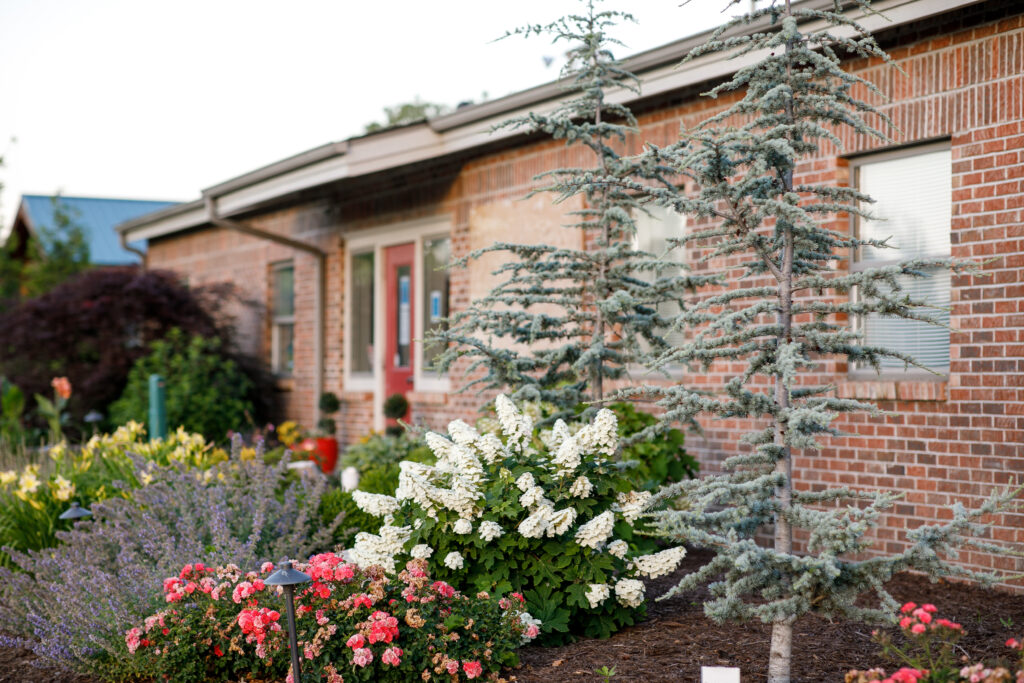
- These hydrangeas get their name from the shape of their leaf “Oak Leaf” which turns a stunning color in the fall.
- They require Part Shade to Full Sun (with a little protection), with normal watering requirements.
- They have branchy structure with flakey bark which can give some nice winter interest.
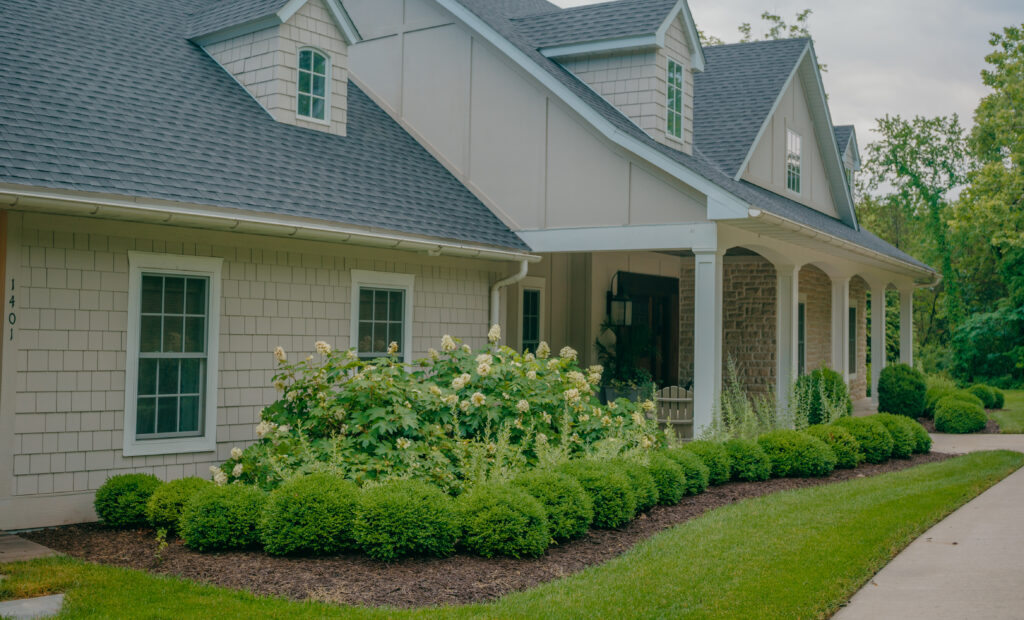
- Cone-shaped blooms appear in late spring and come in pink or white.
- Oakleaf Hydrangeas bloom on old wood, so similarly to the Big Leaf Hydrangea, you’ll just let these leaf out in the spring, and then trim back any Winter dieback. Feel free to trim off any wild hairs through the rest of the year. From what we’ve seen, their bud seems to be a little tougher in the Spring, and isn’t as affected by late frosts, ensuring you’re more likely to get to enjoy your Spring blooms.
- A few of our favorite varieties of Oakleaf Hydrangea include Sikes Dwarf, Alice, Ruby Slippers
Smooth Hydrangea (Arboresince)
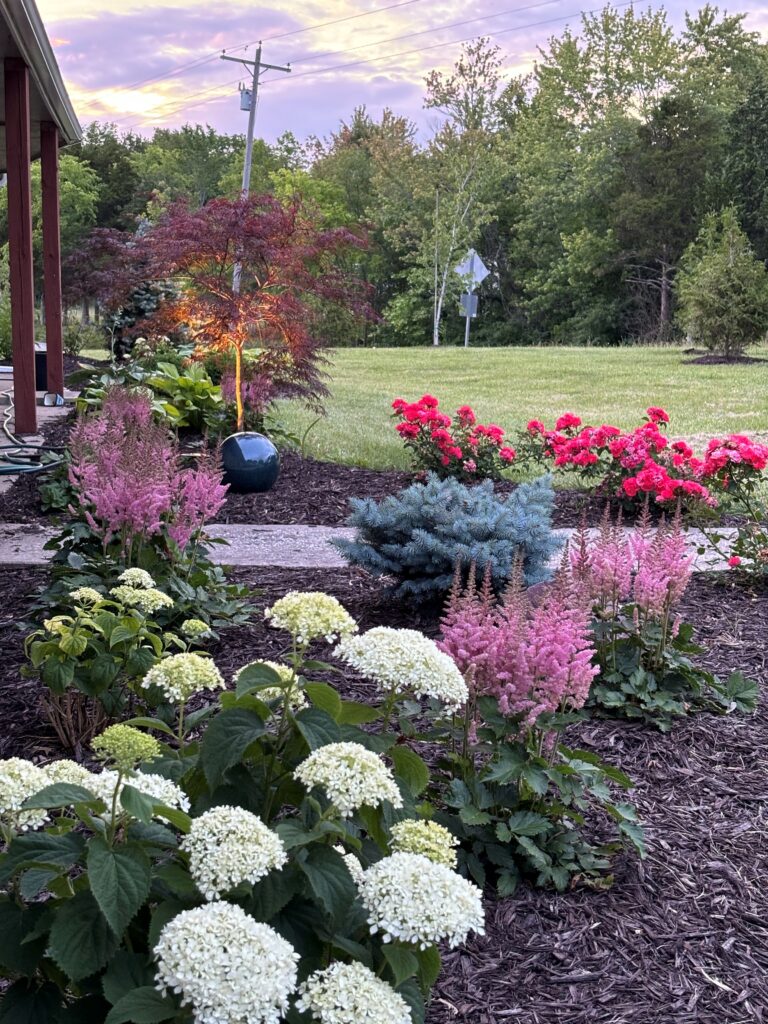
- Smooth Hydrangea gets confused for Big Leaf Hydrangea a lot, but is so much easier and you will get a show of blooms!
- They require part shade to full sun (with a little protection), and have a normal watering needs
- They will bloom in early Summer with large round blooms that come in pink or white.
- The big difference is that these bloom on NEW wood. So they set their buds in the Spring, so the late frosts won’t change the amount of blooms you get.
- Because of this their pruning is also very easy! You just trim them down to around 6” to 1’ in late Fall or early Spring and move on.
- Our landscape crews most commonly use varieties like : Wee White, Limetta, Flowerful (new)
Panicle Hydrangea (Paniculata)
- These hydrangeas have exploded with new varieties in the last 10 years.
- These are a truly part sun to full sun hydrangea with no protection needed. They don’t require extra watering while in the full sun either. They just need normal watering just like the rest of your new landscape.
- They have a very branchy grid-like structure which we’ll look at a little more when we talk about pruning.
- All through Summer and into Fall with they will flower with large cone shaped blooms. These will all come out white, and some will fade to pink in late summer or as we go into fall. In mid-Missouri our pinks tend to stay on the blushy side.
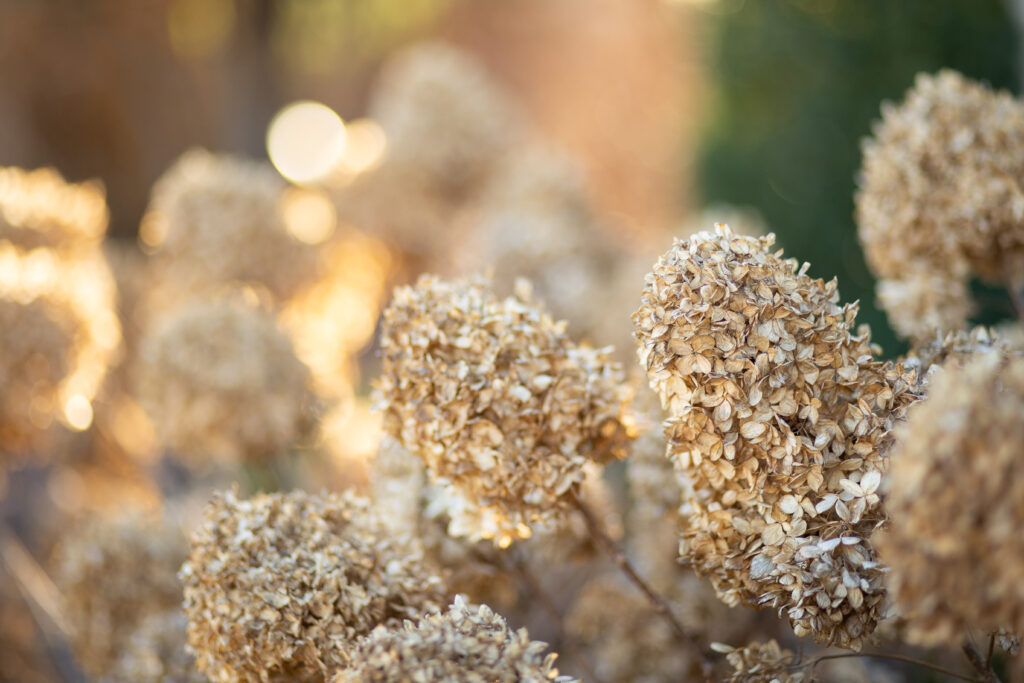
- Panicle Hydrangeas also bloom on new wood, so they can be trimmed in late fall or early spring without affecting the amount of blooms you get. Some leave their spent blooms on for winter interest.
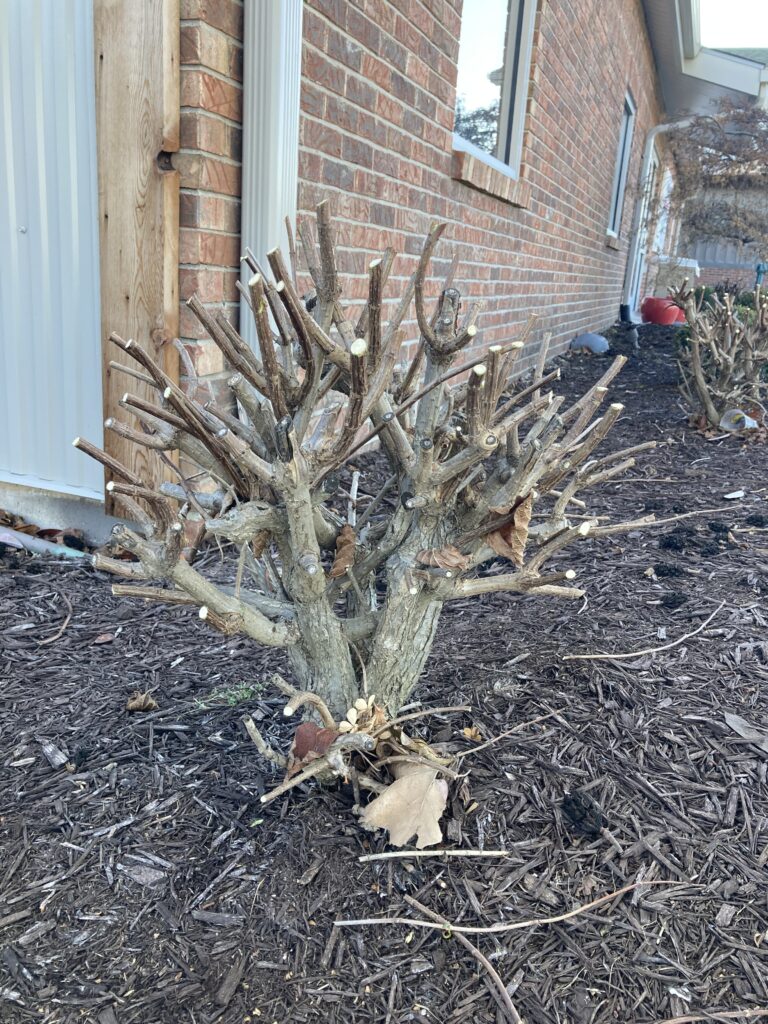
- When pruning this hydrangea, it has some specifics needs:
- It works best if you can trim the limb back a couple inches above the nearest fork. This will remove about 1/3 to 2/3 of the plant. Next year, that cut will then fork again creating a fuller shrub.
- All the forks end up building a “grid” which helps support their blooms and gives them a really nice overall rounded shape.
- We suggest checking out : Limelight Prime, Little Hottie, Little Quickfire
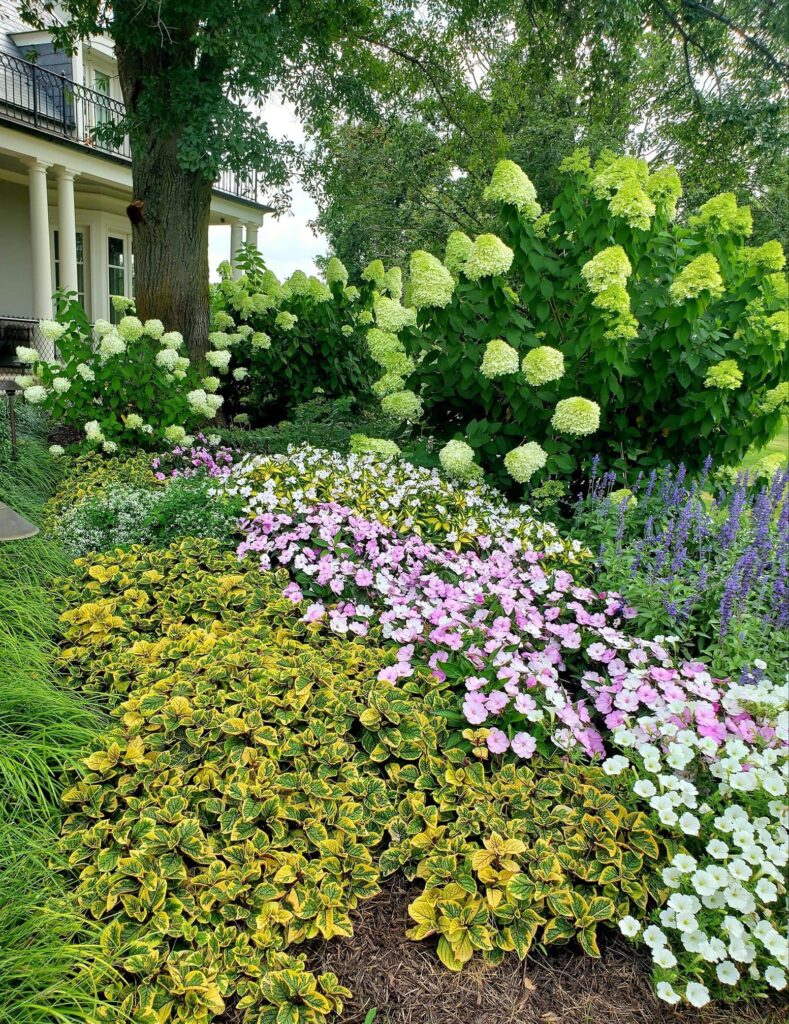
Whether shady or sunny, large spaces or small, we believe there is a hydrangea (or multiple!) at Superior Garden Center that will fit your needs and be the perfect addition to your landscape. Hopefully by breaking it down into these 4 categories, you can see why there is so much to love about Hydrangeas.