
There are many perks to growing your own fruit trees other than the obvious abundance of fresh produce. They help add privacy, increase shade in a specific area, and can even be a focal point. A popular option is the Liberty apple espalier trees. These look amazing along the edge of a patio, wall, or fence line—and best of all, they produce fruit!
Growing fruit trees may seem like a daunting task, but it doesn’t have to be!
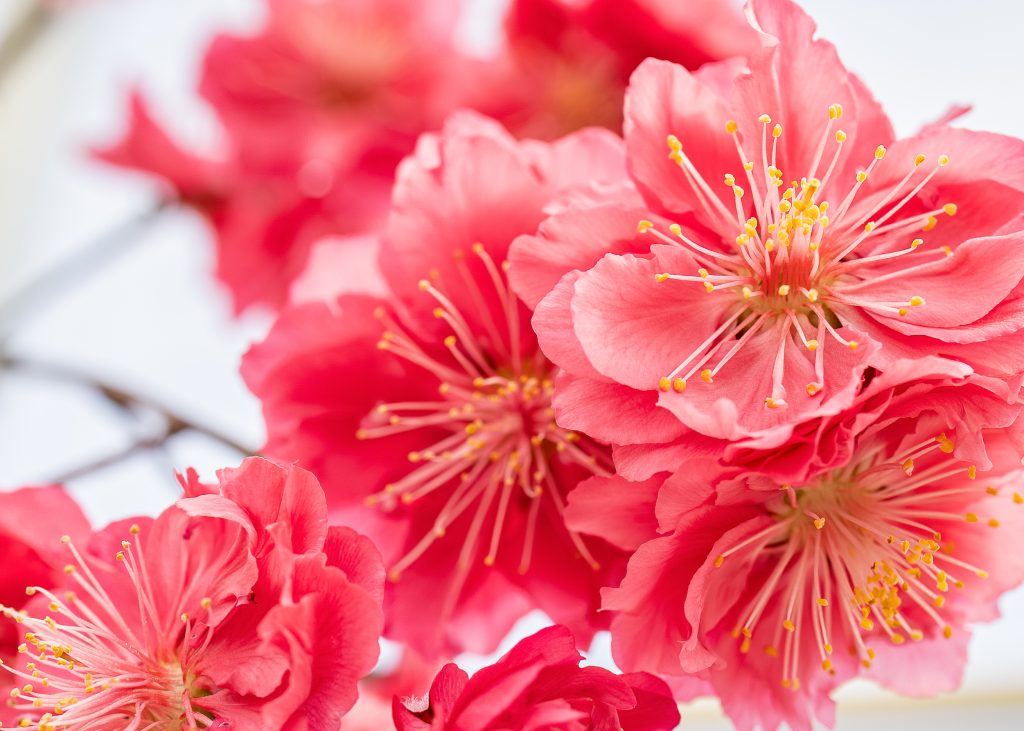
Fruit Trees Tips & Tricks
Size: Purchase semi-dwarf varieties that mature around fifteen feet tall and wide. They stay compact because the leader stem has been trimmed which reduces the size. This makes picking fruit much more accessible.
Fertilizing: Fruit trees don’t need anything special. You can simply use a general tree and shrub fertilizer and apply it in the spring. Fertilizers are listed with three numbers for nitrogen, phosphorus, and potassium. Be sure to check the middle number and make sure there is phosphorus available in your fertilizer because this is what aids in fruit production.
Pruning: When it comes to pruning fruit trees, there are a few things to keep in mind. We recommend pruning in late winter or early spring so the cuts will heal quickly during spring growth. At this point, you can remove any dead from the plants. You’ll also want to thin fruit trees to achieve good airflow which helps reduce fungal diseases. Also, if you need to spray for pests, the product will be able to reach and coat more of the tree’s surface. While thinning, it’s good to remove branches that are long and skinny and growing horizontally. They won’t be able to support the weight of the fruit, potentially breaking off and opening the tree up to disease.
Pollination: When planting fruit trees, there is one consideration that isn’t usually a concern for other trees and shrubs: pollination companions. Some fruit trees need a partner to pollinate and produce fruit. Others are self-pollinating, so only one tree is needed and will still produce fruit. Athlough, we’d still recommend purchasing at least two trees because it will create larger and more abundant fruit. Feel free to mix and match varieties, as long as they have a similar bloom period.
Our apple trees generally require a partner in order to produce. We carry popular and lesser-known varieties, so be sure to do your research, or ask our staff which ones would pair well together for cross-pollination. Peaches, pears, and cherries tend to be self-pollinating, but again I’d still recommend getting at least two for a better crop.
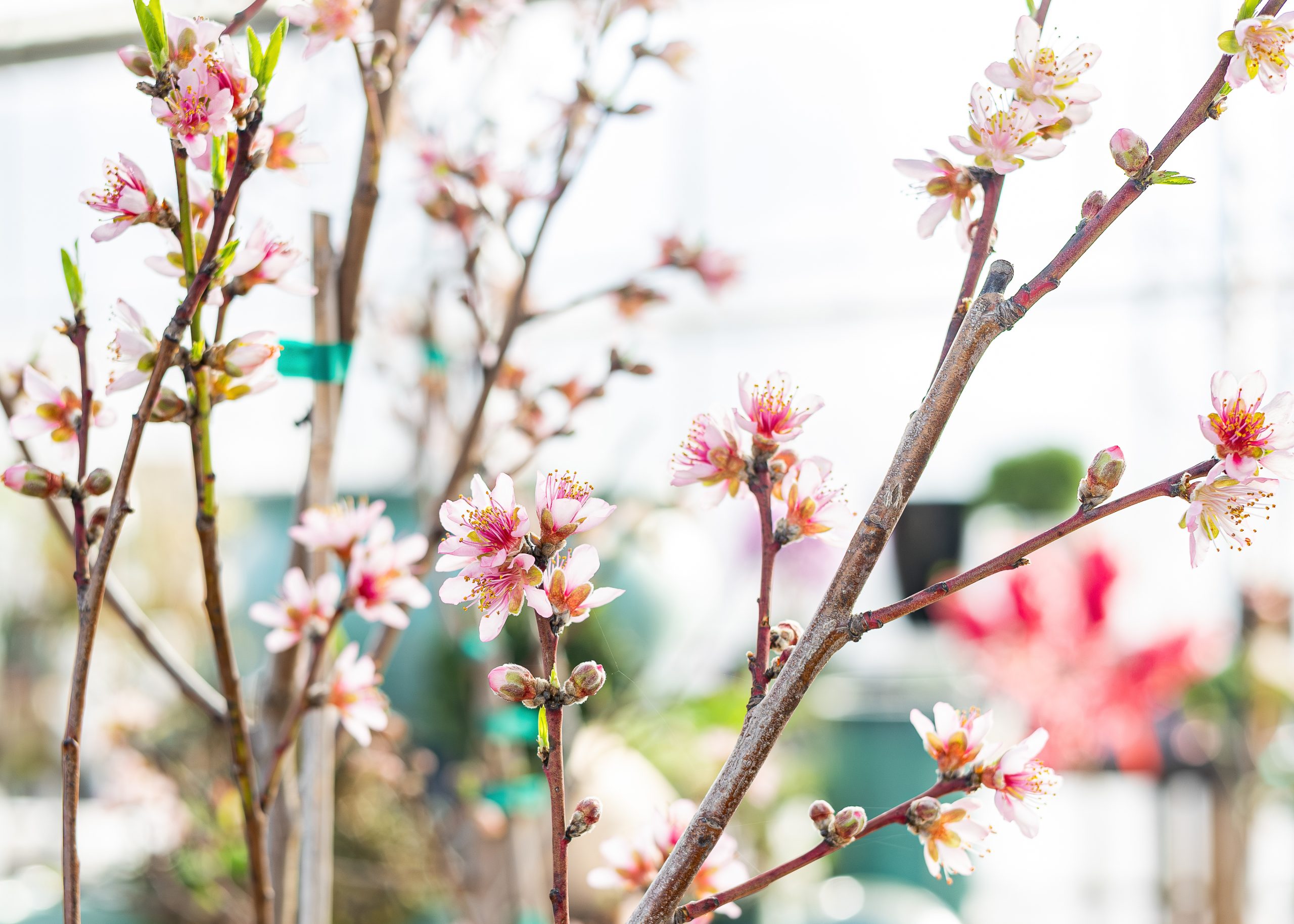
If you’re interested in planting fruit trees, try walking around your landscape to see where some might be a good fit. They might be incorporated more easily than you think! With these tips, hopefully you can find the right fruit trees for you and grow them to produce a successful crop year after year.
When you visit us this spring, be sure to stop by our kitchen and garden section! There you’ll find our selection of fruit trees as well as berries, vegetables, and herbs. Until then, now is the perfect time to visit our Plant Finder app to check out these edible varieties more in-depth.